The Pollinator Scorecard aims to:
- Provide a common language to talk about habitat on energy and transportation lands in order to facilitate industry learning and collaboration
- Establish a consistent valuation method across energy and transportation sectors that aligns with existing habitat assessments and reporting
- Provide a flexible, multi-tiered approach that encourages improved monitoring overtime
- Support shared reporting of habitat metrics across industries
The Pollinator Scorecard may also be used to meet the monitoring requirements for organizations participating in the monarch butterfly Candidate Conservation Agreement with Assurances (Monarch CCAA), and/or the Geospatial Habitat Database
The Pollinator Scorecard was developed by the Rights-of-Way as Habitat Working Group (ROWHWG) to help energy and transportation organizations and land managers evaluate pollinator habitat and management practices. The Pollinator Scorecard User’s Guide provides background information and protocols for using both components of the scorecard: (1) Pollinator Scorecard Management Module and (2) Pollinator Habitat Assessment Protocol.
What is Pollinator Habitat
For the purposes of the Pollinator Scorecard, pollinator habitat is defined as areas containing native flowering plants, host plants, and nesting sites, throughout the growing season. Other considerations include:
- Pollinator habitat may be remnant natural habitat, habitat enhanced through management, or newly created habitat
- A greater diversity of (or dominance by) native plants, which provides a greater diversity of floral resources, host plants, and nesting sites
- Aim for 3 or more native plant species throughout the spring, summer, and fall
The Pollinator Scorecard seeks to capture information about the ability and potential of ROW and other energy and transportation lands to support monarch butterfly and other pollinator habitat. Specifically, the Pollinator Scorecard captures information about:
- Abundance of milkweed and flowering plant coverage
- Additional habitat resources
- Adjacent land use
- Pollinators observed
- Threats related to management practices
- Opportunities related to management practices

Using the Pollinator Habitat Assessment Protocol
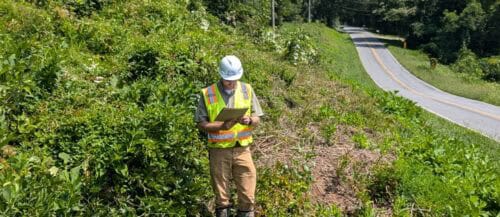
Users may choose between three tiers, from simple to advanced monitoring, depending on time availability, expertise, and organization goals. The Pollinator Habitat Assessment Protocol is a tool designed for flexibility with the understanding that ROW managers may have different objectives for using the Pollinator Scorecard and varying levels of access to resources and expertise for habitat assessment. All three tiers comply with monitoring requirements for the Monarch CCAA.
Determine the best tier for your organizational needs with the following questions:
Download the Pollinator Habitat Scorecard

Tier 1: Is habitat for pollinators present?
- This scorecard is intended for use by anyone, with minimal training or plant identification skills required.The scorecard clearly delineates required and optional monitoring fields per the Monarch CCAA.

Tier 2: What is the quality of pollinator habitat?
- This scorecard is intended for use by most assessors.
- Some skill level is required to identify percent plant cover, flowering plants in bloom, habitat resources, and management threats and opportunities.

Tier 3: What is the composition of the pollinator habitat?
- This scorecard is intended for advanced assessors who are capable of identifying most plants to species-level.
Users can also complete the Pollinator Habitat Assessment Protocol electronically through the Survey123 app. The app streamlines data collection and reporting by syncing habitat data and photos with the Rights-of-Way as Habitat Geospatial Database. Find additional information under Resources
Using the Pollinator Scorecard Management Module
The Pollinator Scorecard Management Module is used to evaluate the suitability of management activities for pollinator habitat on each plot or site. This tool provides valuable information to consider alongside the habitat quality ratings and may be completed at any time of year following site assessments.
The Management Module aims to identify:
- Threats present on the site that may impact the condition (or availability of) habitat
- Opportunities to improve habitat to the benefit of a species
?
Assessment Tools
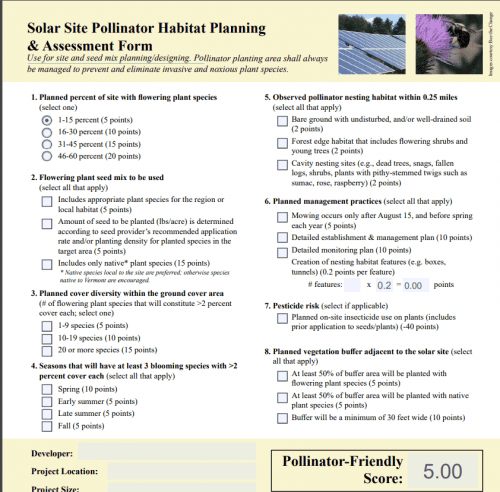
This assessment tool developed by the Pollinator-Friendly Solar Initiative of Vermont is used for site and seed mix planning and designing.
?
Assessment Tools
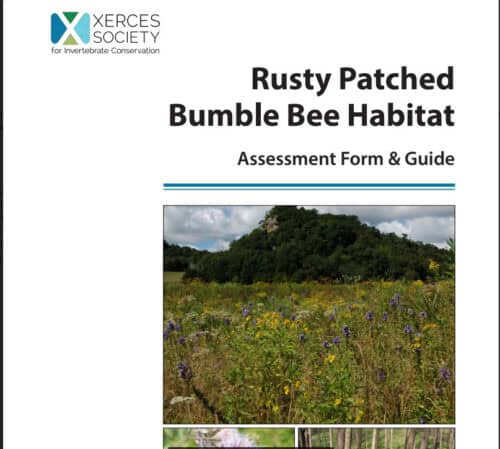
This tools developed by Xerces Society for Invertebrate Conservation is meant to help educate conservation planners and landowners, prioritize conservation actions, and quantify habitat or land management improvements for the rusty patched bumble bee on a single site.
?
Assessment Tools
This tool developed for Monarch Butterfly Habitat Exchange. It is the product of Environmental Defense Fund, Environmental Incentives, and the Monarch Lab at the University of Minnesota. This tool is used by the Exchange to evaluate habitat and estimate benefits to monarchs.

?
Assessment Tools
This guide developed by Monarch Joint Venture describes the objectives and the various activities of the Integrated Monarch Monitoring Program.
?
Assessment Tools
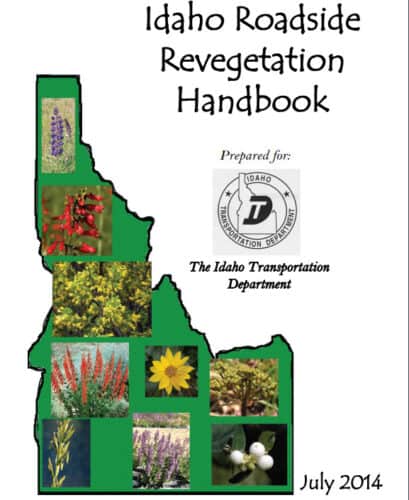
This guidebook prepared by the Idaho Department of Transportation will summarize the characteristics and preferred environments of commonly used grass, grass-like, forb, legume, shrub, and tree species for roadside reclamation in Idaho.
?
Assessment Tools, Best Management Practices, Planning Tools
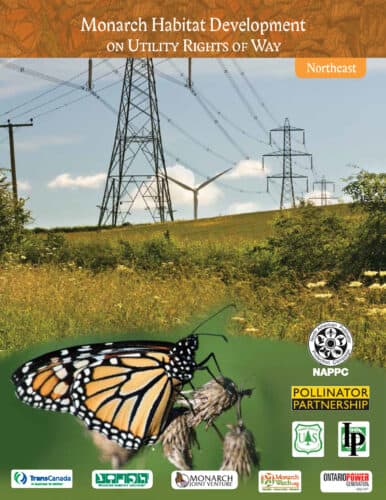
This manual written by the Pollinator Partnership offers helpful background information, planting guidelines, site and project evaluations, and checklists to assist utility rights-of-way managers in the Northeastern U.S.
The Pollinator Habitat Scorecard is made possible with funding from…






And technical expertise from…